
Polystar Accessibility & UX Audit
Translating technical accessibility findings into practical business decisions and implementation priorities.


OVERVIEW
An accessibility audit designed to drive action—not collect dust.
Polystar Containment manufactures custom containment systems for industries including energy, transportation, military, and hazardous materials. While the company's website served as an important lead generation tool, several usability and accessibility issues created unnecessary friction within key customer journeys, particularly around its online solution finder and quote request experience.
I developed a comprehensive accessibility and UX audit that translated technical findings into practical business recommendations. Rather than simply documenting issues, the audit prioritized improvements, identified quick wins, and created a phased roadmap that helped stakeholders understand where to invest first.
HIGHLIGHTS
MY ROLE
Leading the engagement from evaluation through executive presentation.
I planned and conducted the audit, reviewed the website across desktop and mobile experiences, documented accessibility issues against current WCAG guidelines, and developed the final presentation delivered to the client.
In addition to identifying problems, I organized recommendations into prioritized implementation packages and created a framework that helped both my agency and the client approach accessibility as an ongoing improvement initiative rather than a one-time compliance exercise.
THE CHALLENGE
Make accessibility meaningful for stakeholders who weren't accessibility experts.
Polystar's website supported lead generation through contact forms and an interactive solution finder used to guide customers toward the right containment products. While functional, the experience contained usability and accessibility issues that had accumulated over time.
The client also presented an important communication challenge. Working directly with company leadership meant explaining technical concepts such as accessibility compliance to stakeholders without specialized digital or UX backgrounds.
Recommendations needed to connect accessibility improvements with usability, customer experience, and business value—not simply compliance requirements.
FROM AUDIT TO ACTION
Transform technical findings into a practical roadmap for improvement.
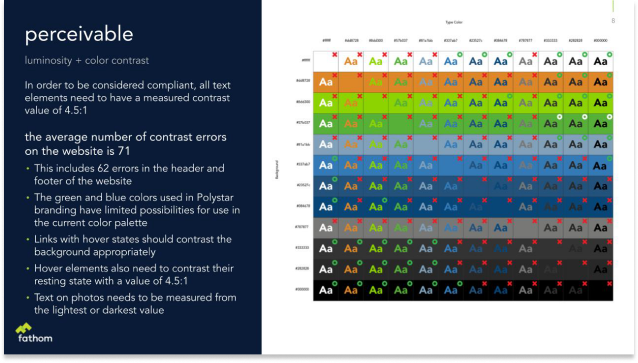
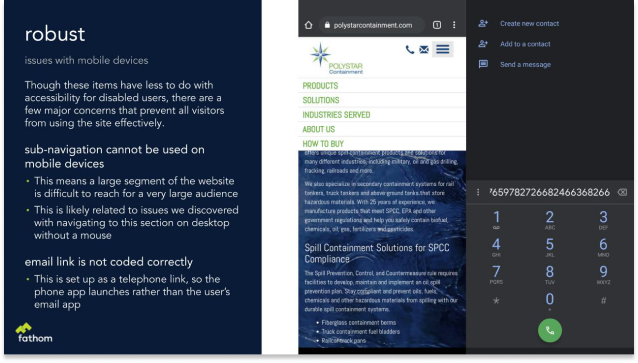
I evaluated every page and key interaction across desktop and mobile using industry-standard accessibility evaluation tools alongside manual review.
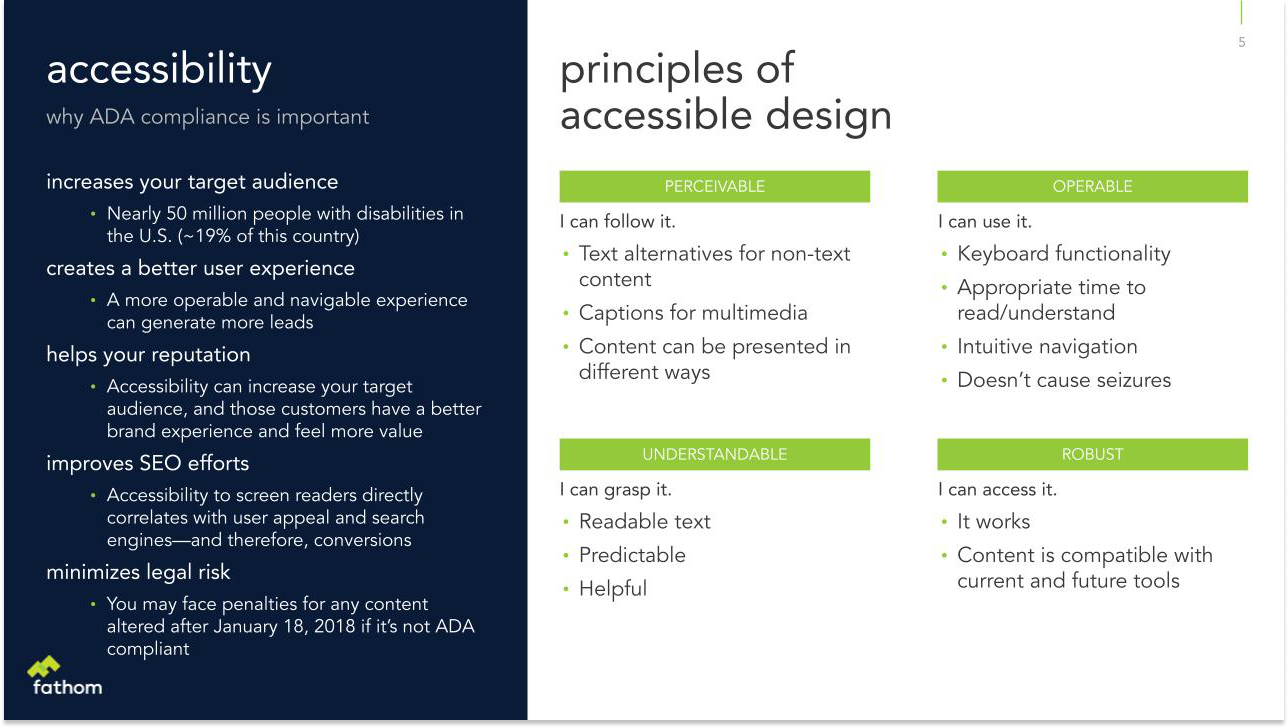
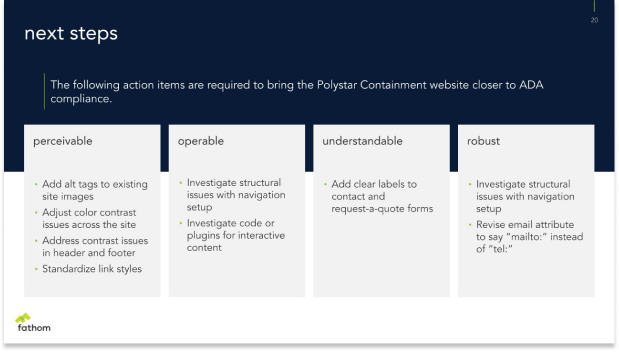
Findings were organized using the four WCAG principles—Perceivable, Operable, Understandable, and Robust—before being translated into plain-language explanations that focused on how each issue affected real users.
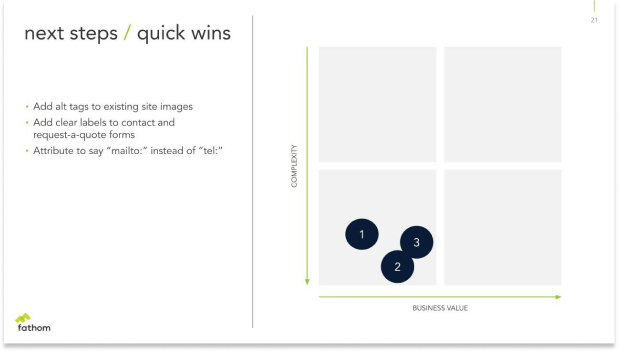
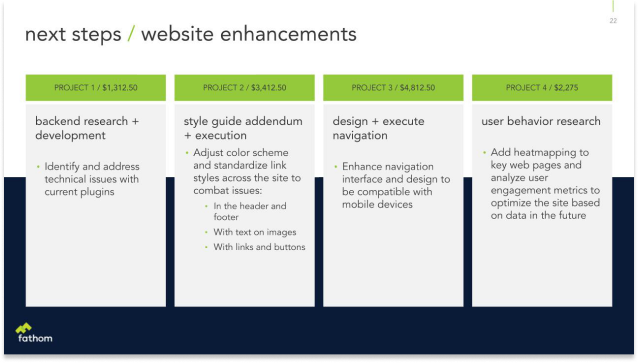
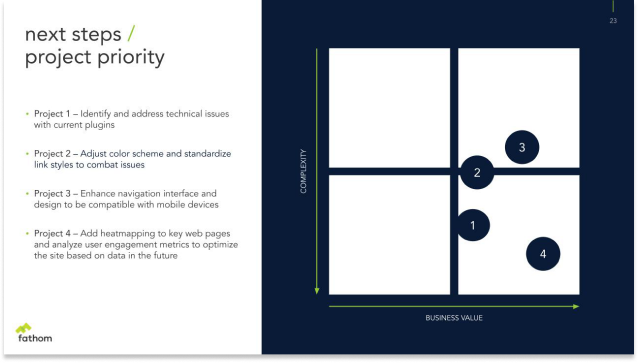
The second half of the engagement shifted from diagnosis to prioritization. Rather than presenting a long list of problems, I grouped recommendations into implementation packages, identified improvements that could be completed within the existing retainer, and mapped larger initiatives onto a priority matrix based on effort and business impact. This gave the client a practical roadmap for improving the experience over time.
OUTCOMES
A consulting framework that created value beyond a single client engagement.
The final deliverable combined accessibility findings, UX recommendations, implementation priorities, and project planning into a single presentation that served as both an audit and a strategic roadmap.
Beyond supporting Polystar's immediate needs, the engagement also helped establish accessibility as a repeatable consulting offering within my agency. By creating a structured audit process and a clear path from findings to implementation, the project made accessibility a more tangible and actionable service for both clients and internal teams.
Key Takeaways

Planned and conducted a comprehensive accessibility and UX audit.
Reviewed desktop and mobile experiences against current WCAG guidelines.
Translated technical findings into plain-language business recommendations.
Prioritized improvements using an effort-versus-impact framework.
Created a repeatable accessibility audit process that expanded the agency's consulting capabilities.
Developed implementation packages that connected audit findings to future project opportunities.